
Bathroom
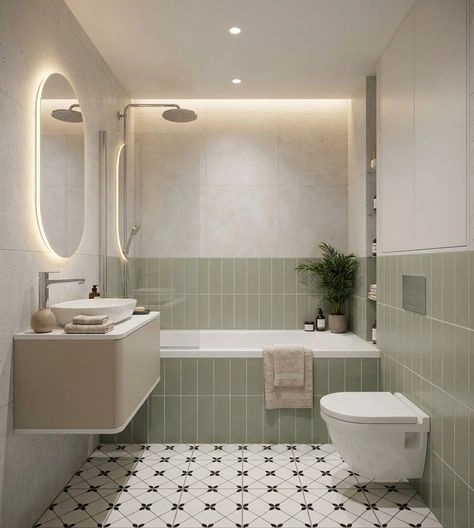
Sage Herringbone Shower
Sage green subway tile in herringbone pattern above a terrazzo floor in a Virginia-Highland bathroom.
View projectVirginia-Highland's mix of Tudor cottages and 1920s bungalows along streets like N. Highland Ave and Barnett Street means older walls, original plaster, and bathrooms that were built for a different era of plumbing. We know how to work in these homes carefully and correctly.
Full-home tile work for Virginia-Highland's older homes and newer renovations.
Wet-area work with proper waterproofing and backer board, especially important in older homes.
Backsplash tile for the renovated and original kitchens throughout the neighborhood.
Floor tile for kitchens, bathrooms, and entryways with proper substrate assessment.
Sage green subway tile in herringbone pattern above a terrazzo floor in a Virginia-Highland bathroom.
View project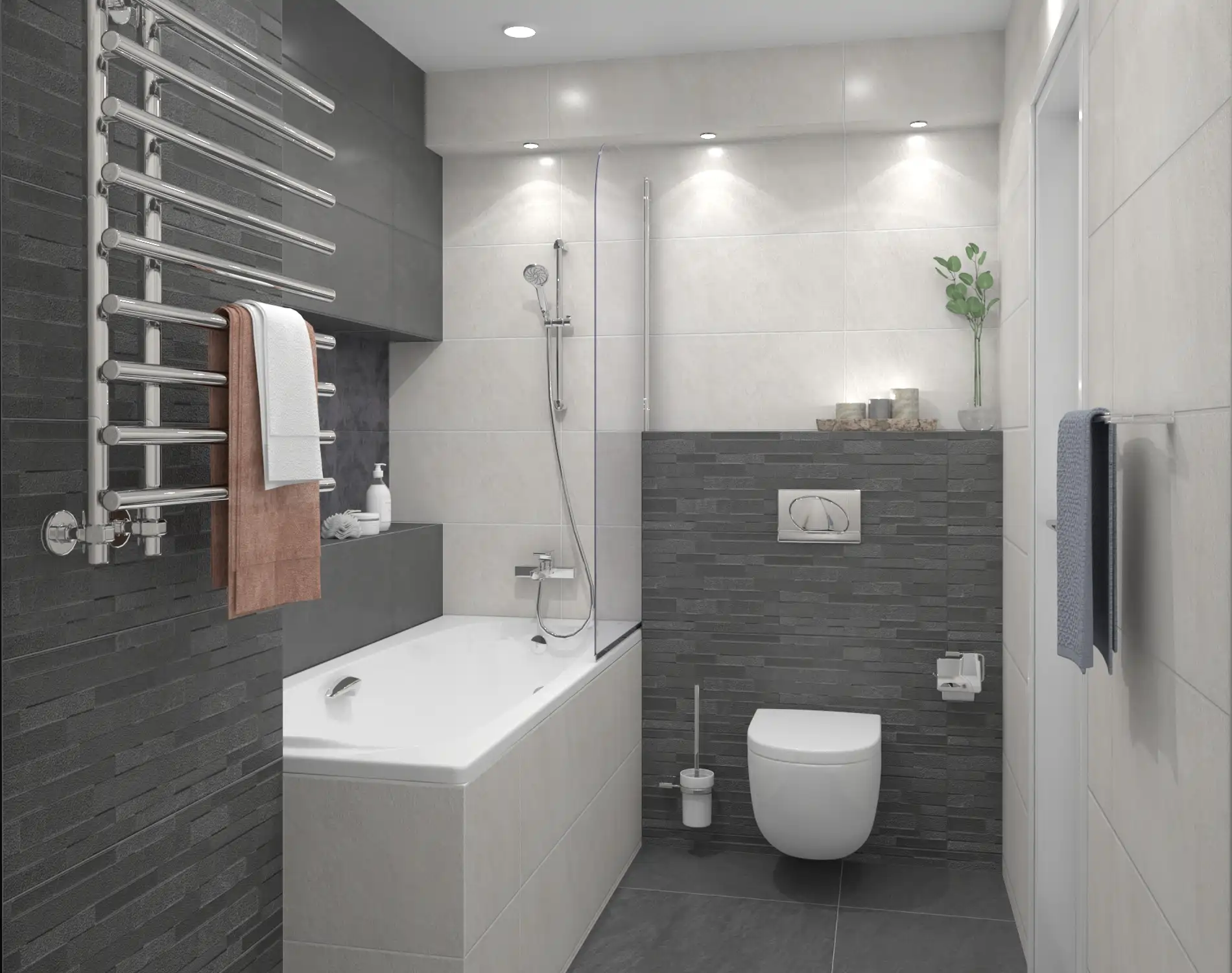
Dark grey stone-look wall tile with built-in bathtub in a Virginia-Highland renovation.
View project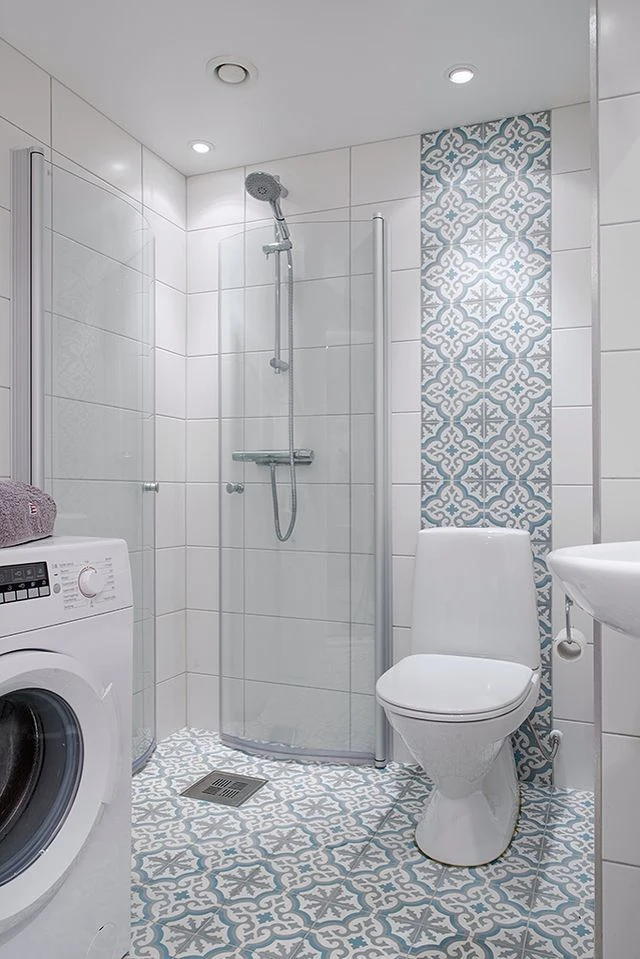
Eclectic patchwork tile backsplash with warm wood cabinets in a Virginia-Highland kitchen.
View projectThe homes along N. Highland Ave and the side streets off it are mostly pre-war construction. That means plaster walls, original subfloors with real dimensional lumber, and bathrooms that were added or modified at various points over the decades. We're comfortable assessing what's actually there before we quote a job, and we don't pad the scope unnecessarily. If the plaster wall is sound and flat, we'll tell you. If it needs to come down, we'll tell you that too, and explain exactly why.
Interior tile work is generally not affected by historic designation, which typically governs exterior changes visible from the street. That said, if your property is in a locally designated historic district, it's worth confirming with the City of Atlanta's Office of Design before undertaking any structural changes. Cosmetic interior tile replacement almost never triggers review, but it's good to know before you start.
This is one of the more common transitions we deal with in older Atlanta homes. The goal is to land the tile at a height that allows a clean transition strip to sit flush with both surfaces. If the tile and the existing hardwood end up at different heights, we use a reducer strip rather than a flat T-molding. In some cases, a schluter edge profile on the tile side looks cleaner than any transition strip. We'll look at the specific height difference and recommend the option that looks most intentional.
We work with homeowners who are present during the project regularly. Tile work does involve noise from a wet saw and occasional dust despite our containment measures, so we try to schedule the noisiest cuts for mid-morning when they're least disruptive. If you have calls or meetings at specific times, let us know and we'll do our best to plan around them.